Robotics, physical AI, and startup hubs in Japan: Summer 2026
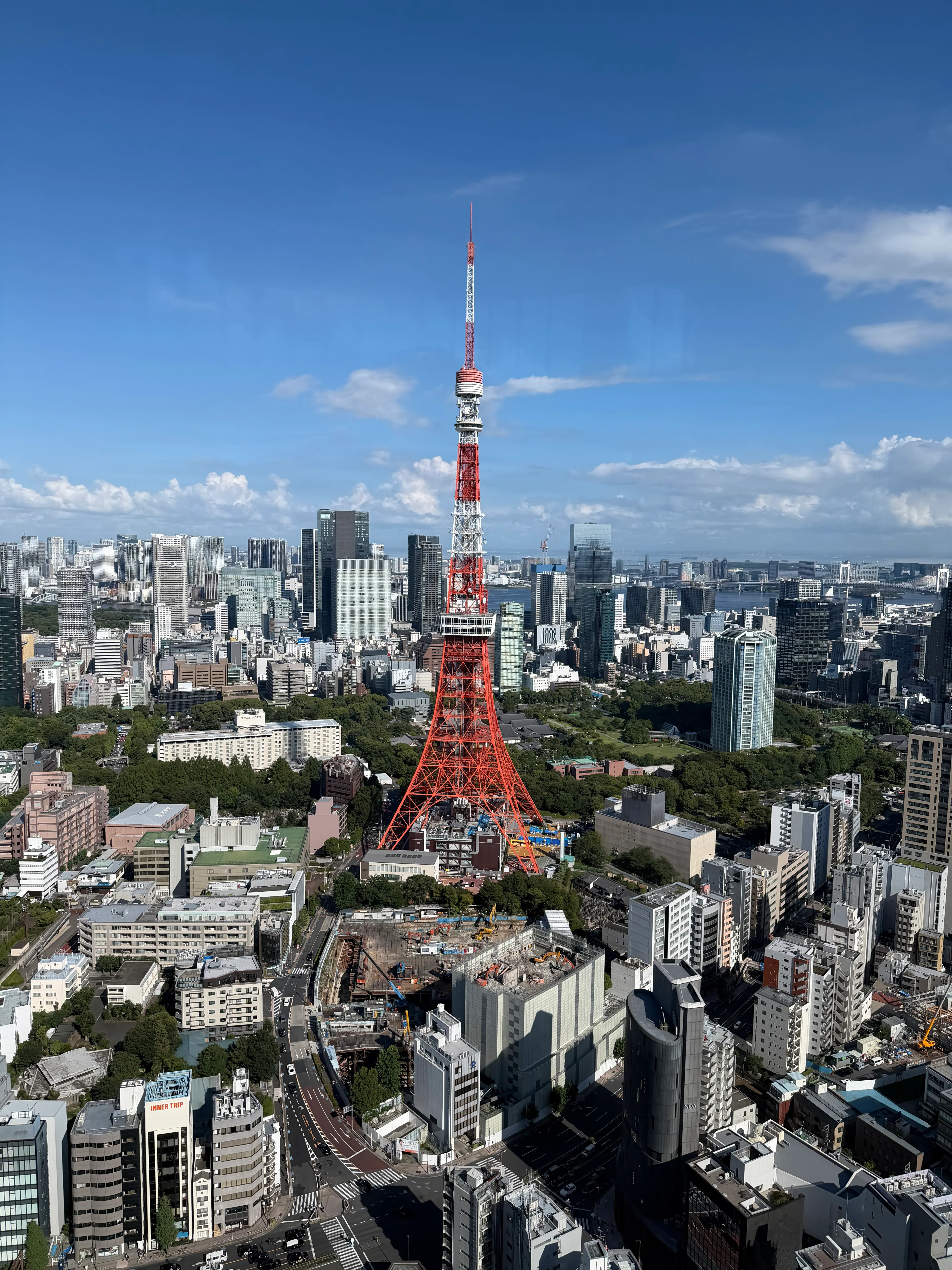
Robotics, product development, and Japan
We spent July and August in Japan researching robotics and game development, visiting startup resources, and preparing for upcoming Developer Experience product launches. Most of the trip was split between Tokyo and Osaka, with additional events in Yokohama.
One of the projects behind the trip was our ongoing AI-enabled robot build. The project grew out of robotics development platforms from D-Robotics and Booster Robotics that we first encountered at the International Robot Exhibition (iREX) in Tokyo. Each phase gives us a real development project for comparing manual documentation work, standard AI tooling, and our newest product, StyleOps.
That made the trip more than a general research visit. We were also looking for partners, hardware, manufacturing services, and technologies that could contribute directly to the robot and our other development projects.
Physical AI Expo at Tokyo Big Sight
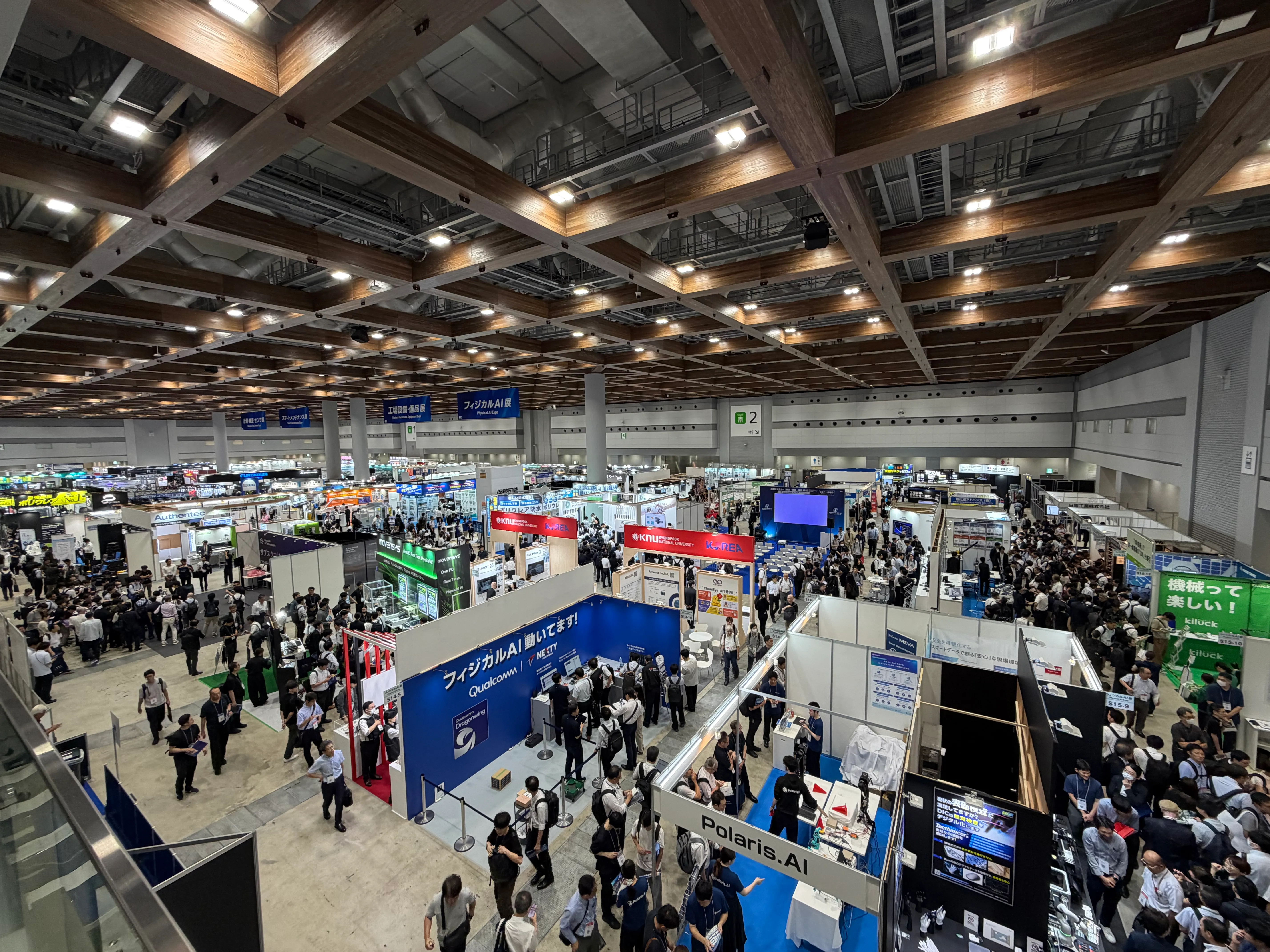
One of the main events was the Manufacturing - Physical AI Expo at Tokyo Big Sight in Tokyo.
Tokyo Big Sight is massive. Its 16 indoor exhibition halls provide about 1.25 million square feet of exhibition space, enough for several large exhibitions to run at the same time.
The Physical AI Expo was part of Manufacturing World, so the surrounding exhibits extended well beyond robotics and physical AI. Neighboring halls covered technologies such as industrial equipment, sensors, manufacturing systems, and 3D printing.
That combination was useful because one of our side missions was to source a custom 3D-printed chassis for the robot. The 3D printing exhibits included commercial and industrial printers, materials, and manufacturing services that would be difficult to compare in one place otherwise.
Robotics companies were also spread throughout the event, including Elite Robots and Booster Robotics. ULT LASER was demonstrating industrial laser-cleaning equipment, which was one of the more unique pieces of hardware at the show.
Tokyo Innovation Base
For our upcoming Japan-based app, we also visited coworking spaces and startup hubs throughout Tokyo.
Navigating those resources can be daunting for visitors. Tokyo is huge and has business districts throughout the city, so startup resources, coworking offices, and technology events are spread across a much larger area than they are in many cities. The level of international support also varies considerably between organizations.
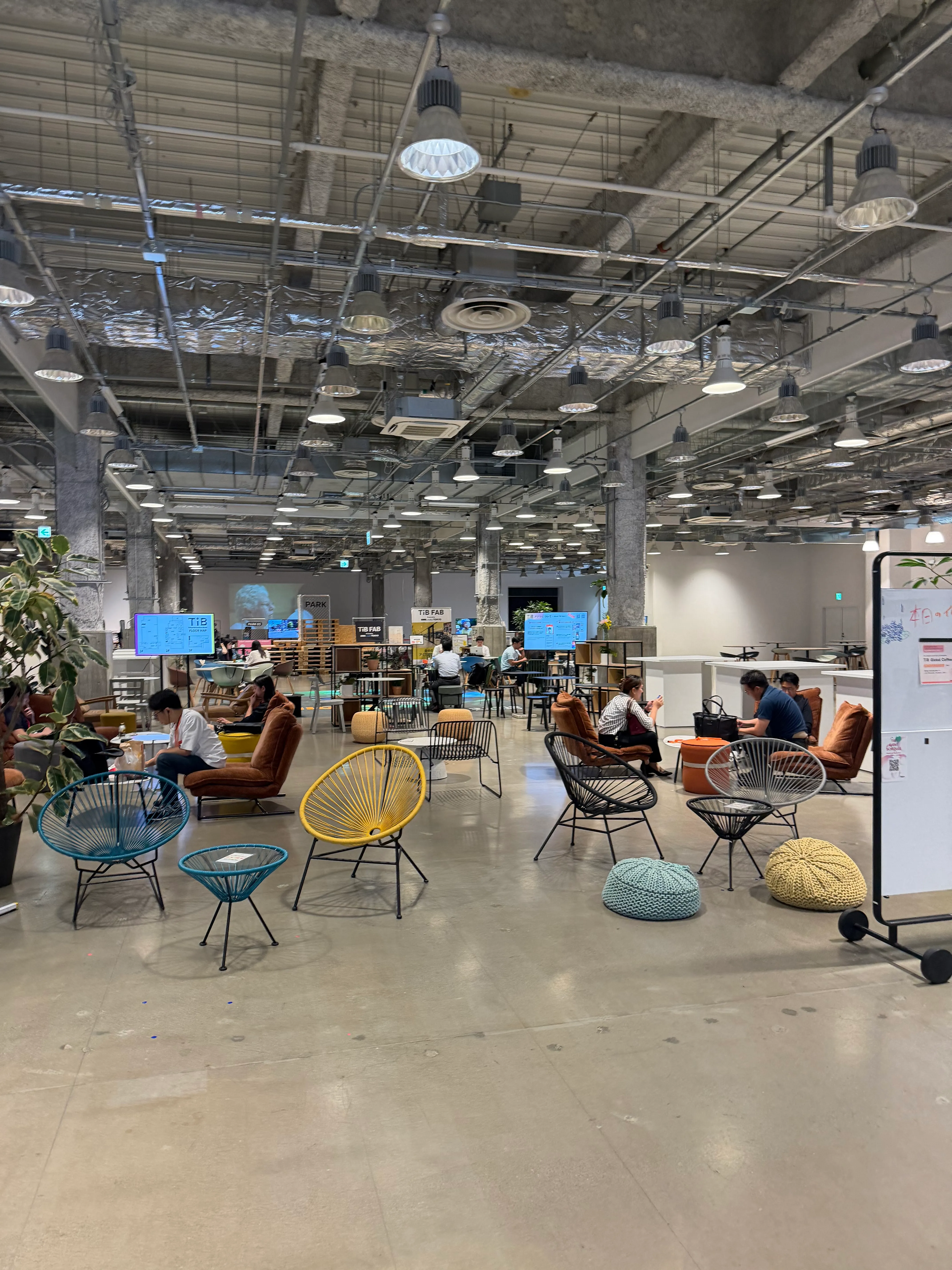
One of our favorite hubs was Tokyo Innovation Base (TiB), a free innovation and startup hub near Tokyo Station. It has large coworking floors, event spaces, startup meetups and pitch events, and support for international entrepreneurs trying to find their footing in Japan.
The hardware facilities and open space stood out in particular.
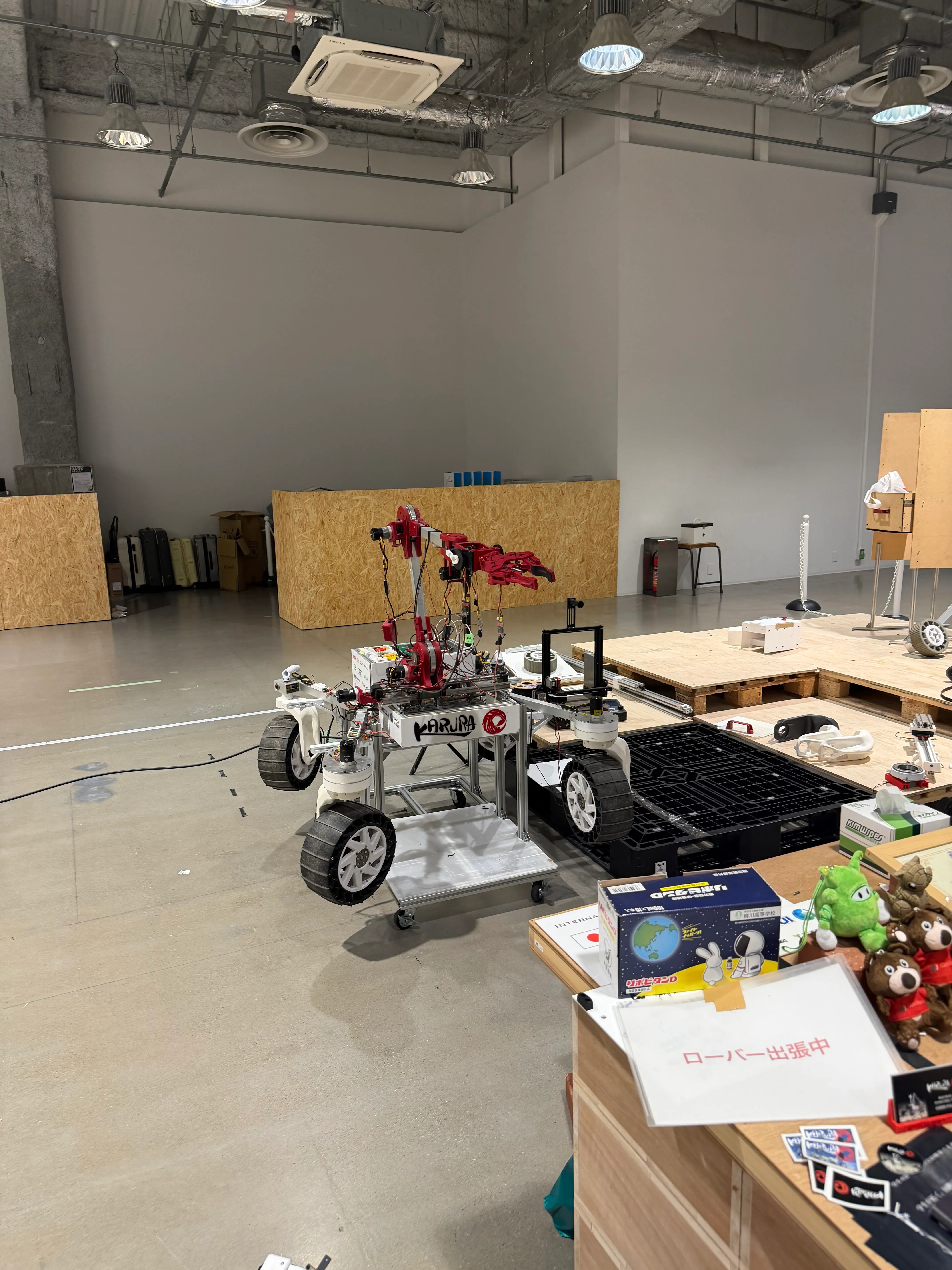
TiB has hardware development and 3D printing labs with staff support, an autonomous rover development lab, and a track for testing small autonomous vehicles. For a company working on both developer tools and a robotics project, having those resources inside a startup hub makes TiB particularly interesting.
Knowledge Capital in Osaka
Osaka has a different layout for startup resources. Coworking spaces, incubators, and startup hubs are concentrated more closely in the core districts of the city, so many of them are a short walk or subway ride apart.
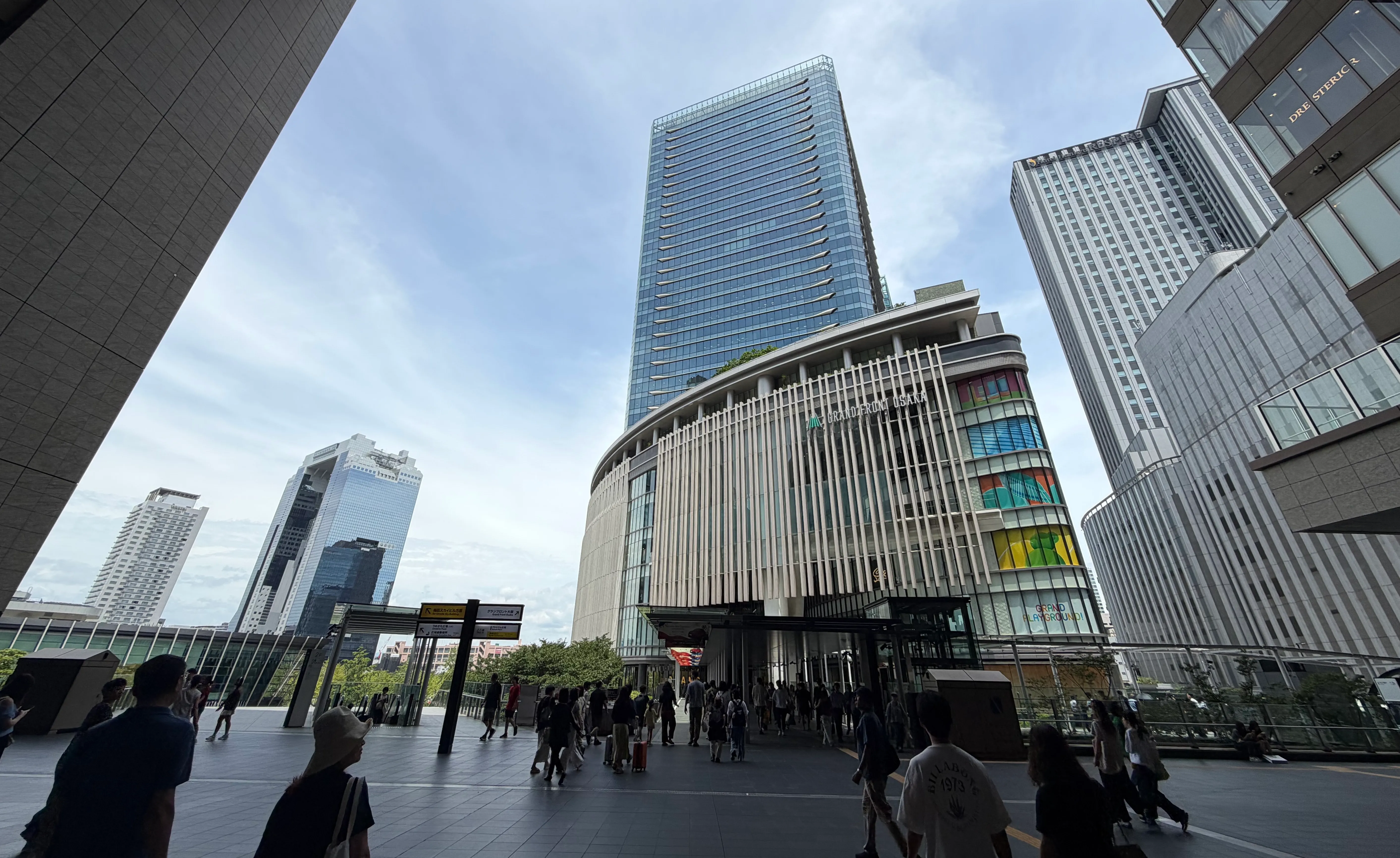
One of the more interesting places we visited was Knowledge Capital inside Grand Front Osaka.
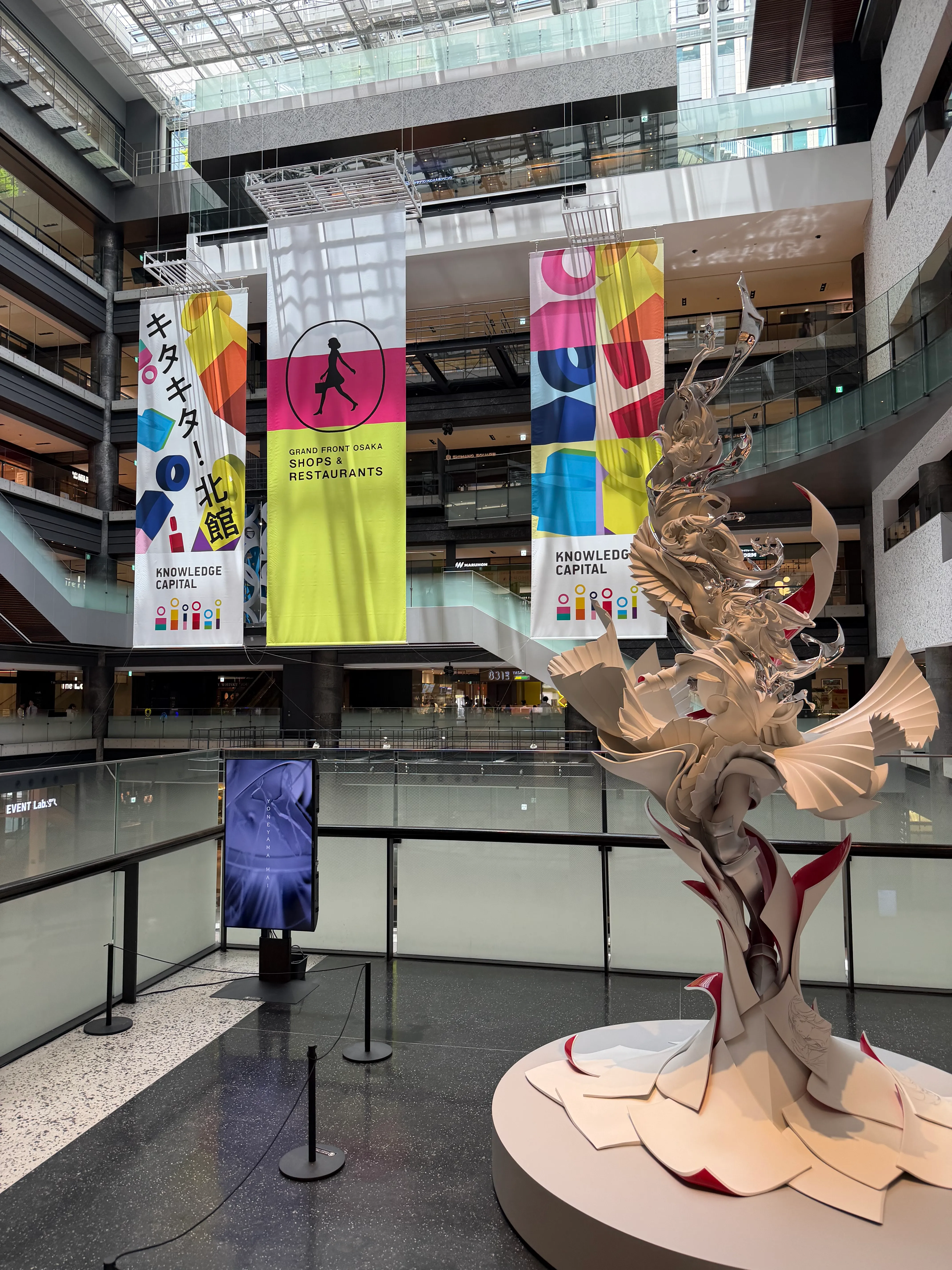
Knowledge Capital is an innovation and research hub that brings together companies, universities, researchers, creators, and the public. Its facilities include exhibition and demonstration spaces, offices, event facilities, research spaces, and Knowledge Salon.
What makes it different from many startup hubs is how much of it is designed for the public. Experimental products, technology, retail, food, and services are mixed into spaces where visitors can directly interact with what companies and researchers are developing.
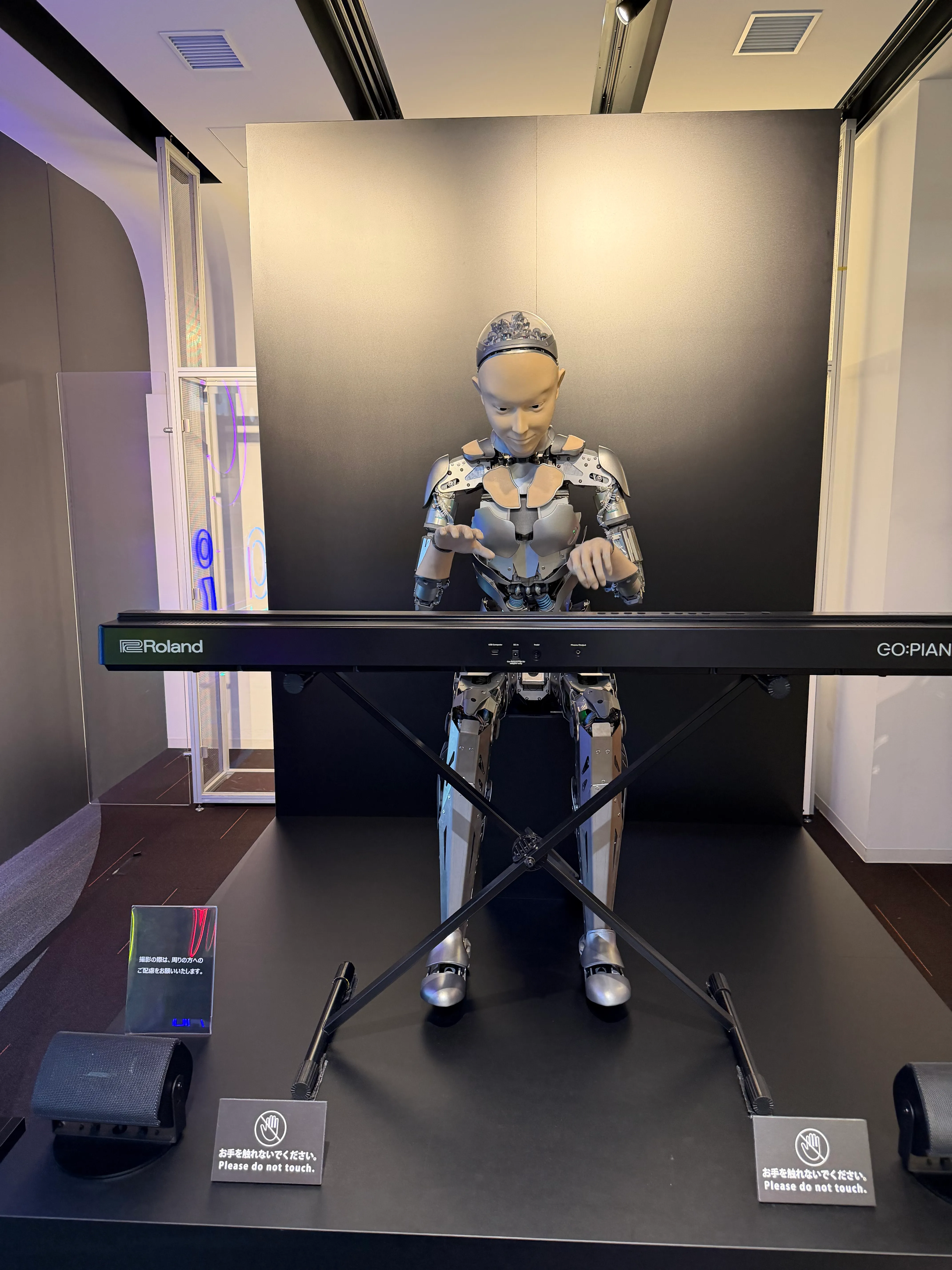
Knowledge Salon is the more private side of the complex. It’s a paid, members-only workspace with coworking areas, meeting rooms, presentation space, and support for collaboration between people working across different industries and fields.
That combination of public experimentation and private business space makes Knowledge Capital feel less like a traditional incubator and more like a place where research, commercial development, and the surrounding city overlap.
CEDEC 2026 in Yokohama
The game development side of the trip took us to Yokohama for CEDEC 2026, the Computer Entertainment Developers Conference.
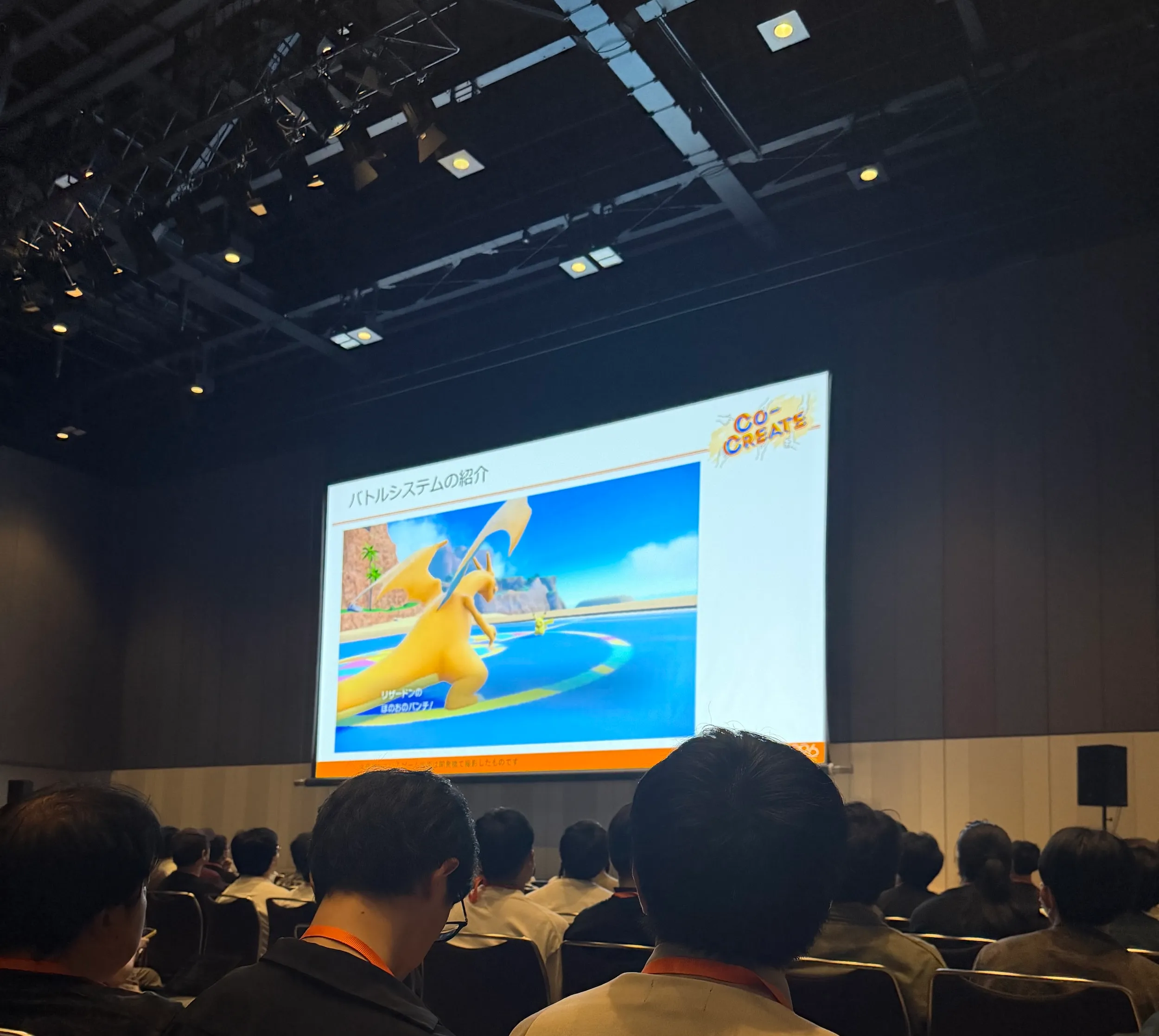
We attended the Pokémon battle system session covering Pokémon Legends: Z-A through Pokémon Scarlet and Violet. CEDEC is Japan’s largest conference for computer entertainment developers, with sessions covering engineering, production, visual arts, game design, sound, business, and academic research.
The Pokémon session was particularly relevant to our game development research because it went deep into the systems behind a major production rather than presenting the game from a consumer perspective.
CEDEC was also useful beyond the sessions. Bringing game developers, technology companies, researchers, and tool vendors into one event created opportunities to meet potential partners working in game development and AI.
From research trip to product development
The robotics project started as a way to create something real to document while testing our own products. This summer expanded the project beyond that initial purpose.
The Physical AI Expo connected the robot build with robotics and manufacturing companies. Tokyo Innovation Base showed how startup and hardware development resources can coexist in the same facility. Knowledge Capital provided a different model that connects research and commercial experimentation directly with the public. CEDEC brought the same research trip into game development.
Together, those visits gave us new resources and potential partners for projects that will continue well beyond the trip, while also giving us a better understanding of the technology and startup ecosystems we want to work with in Japan.
If you’re interested in our products or partnering on development and documentation projects, including the robot build, let’s connect.